
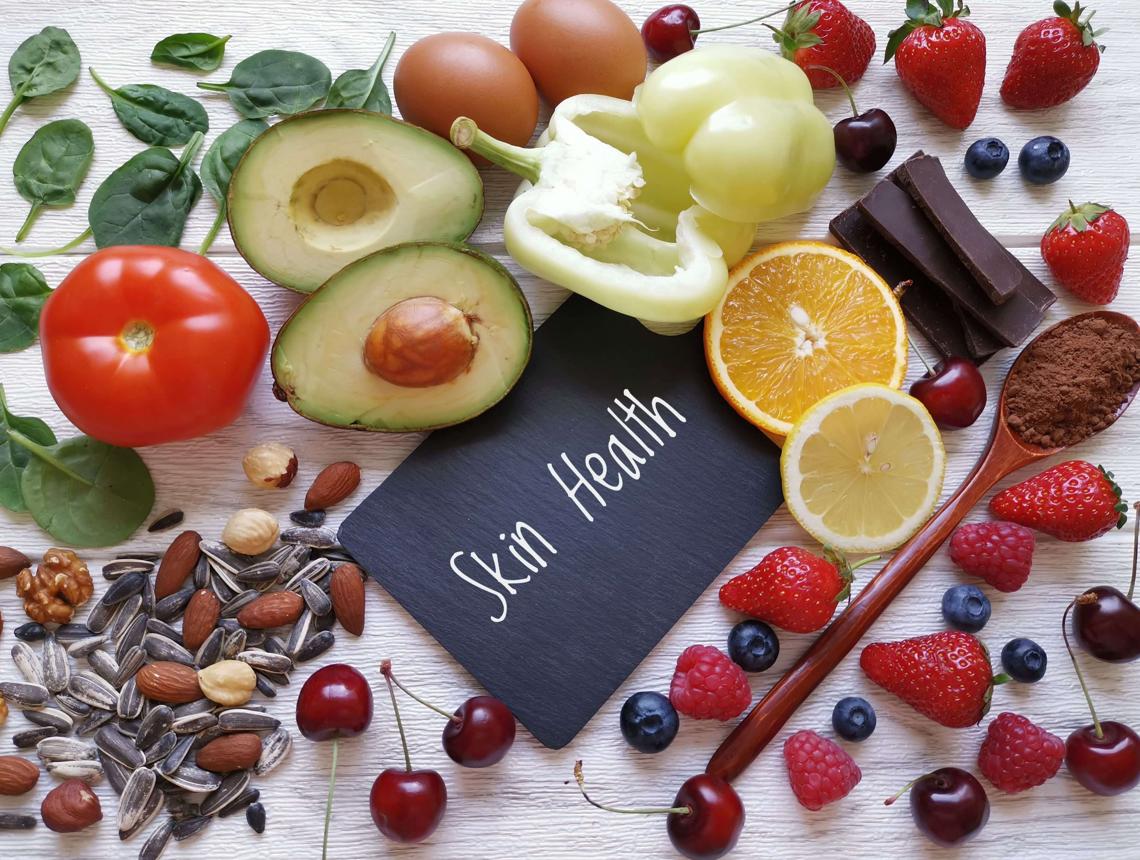
Glowing skin is not usually the result of one expensive skincare product or one “superfood.” Your skin needs a steady supply of nutrients to maintain its barrier, repair itself, produce structural proteins, and protect its cells from everyday stress.
That is why a healthy diet for glowing skin should focus on overall food quality rather than a single ingredient. Fruits and vegetables provide vitamins and antioxidants, protein supplies amino acids needed for tissue maintenance, healthy fats support the skin barrier, and adequate fluids help maintain normal hydration.
At the same time, diet is only one part of skin health. Genetics, age, hormones, sun exposure, sleep, stress, skincare, and existing skin conditions can all affect how your skin looks.
The good news is that you do not need a complicated diet. A few practical changes to your everyday meals can help you consistently provide your body with the nutrients it needs.
How Does Diet Affect Your Skin?
Your skin is a living organ that constantly renews and repairs itself. Like other tissues in your body, it depends on nutrients from your diet.
A nutrient-rich eating pattern can provide the building blocks needed for normal skin maintenance. Protein supplies amino acids used to build and repair body tissues, while vitamin C is required for collagen production and also functions as an antioxidant.
Antioxidant-rich foods are also useful because the body is continually exposed to oxidative stress from normal metabolism and environmental factors. Vitamins such as C and E, along with many plant compounds found in fruits and vegetables, contribute to the body’s antioxidant defenses.
Diet may also influence certain skin concerns. For example, some research suggests that a low-glycemic diet may help reduce acne in some people, although the evidence is not completely consistent. Some research has also explored a possible relationship between cow’s milk and acne.
This does not mean that eating one particular food will suddenly give you clear or glowing skin. Skin health is influenced by multiple factors, and dietary changes generally work as part of a broader lifestyle pattern.
For this reason, a healthy diet for glowing skin should be viewed as part of your overall approach to health rather than as a replacement for appropriate skincare or medical treatment.
Essential Nutrients for Healthy Skin
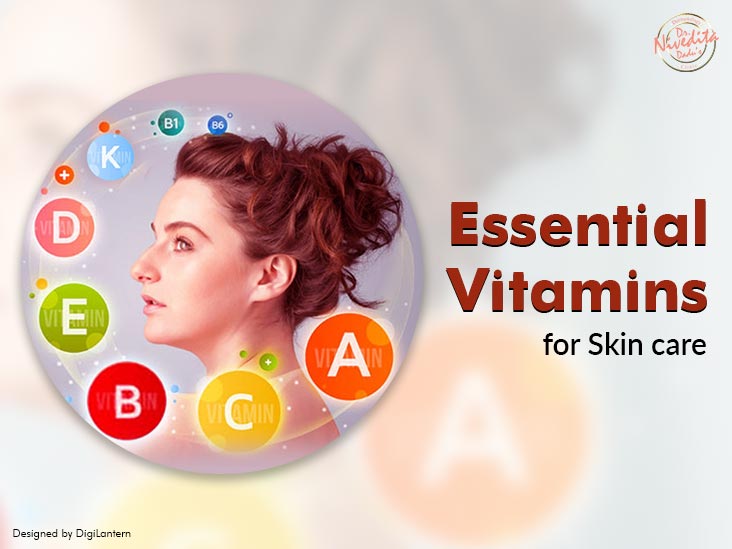
Rather than looking for one “best” skin food, focus on getting a variety of nutrients regularly. The following nutrients are particularly relevant to normal skin structure, repair, protection, and hydration.
Vitamin C
Vitamin C is one of the most important nutrients to include in a diet that supports healthy skin.
Your body needs vitamin C to produce collagen, a structural protein found throughout connective tissue. Vitamin C also acts as an antioxidant and helps regenerate other antioxidants in the body.
Good food sources include:
- Oranges and other citrus fruits
- Guava
- Kiwi
- Strawberries
- Bell peppers
- Tomatoes
- Broccoli
- Indian gooseberry (amla)
You do not need to rely on supplements if you can obtain adequate vitamin C from a varied diet.
Adding vitamin-C-rich foods to meals is therefore a simple part of a healthy diet for glowing skin.
Vitamin C-https://ods.od.nih.gov/factsheets/VitaminC-HealthProfessional/
Vitamin A
Vitamin A is involved in normal cell growth and maintenance. Its food sources include both preformed vitamin A and carotenoids such as beta-carotene, which the body can convert to vitamin A.
Good sources include:
- Carrots
- Sweet potatoes
- Pumpkin
- Spinach
- Other dark green vegetables
- Eggs
- Dairy products
Colorful vegetables are an easy way to include carotenoids in your meals.
However, more is not necessarily better. High-dose vitamin A supplements can be harmful, so avoid taking them simply because you want better-looking skin unless a healthcare professional recommends them.
Vitamin A-https://ods.od.nih.gov/factsheets/VitaminA-HealthProfessional/
Vitamin E
Vitamin E is a fat-soluble antioxidant that helps protect cells from oxidative damage. It is naturally found in foods such as nuts, seeds, vegetable oils, spinach, and whole grains.
Useful food sources include:
- Almonds
- Sunflower seeds
- Peanuts
- Avocado
- Spinach
- Vegetable oils
Adding a small serving of nuts or seeds to your meals can be an easy way to increase your intake.
Omega-3 Fatty Acids
Omega-3 fatty acids are essential fats that play important roles throughout the body. They are also being studied for their relationship with skin barrier function and inflammatory skin conditions.
Food sources include:
- Fatty fish such as salmon and sardines
- Walnuts
- Chia seeds
- Flaxseeds
- Some fortified foods
For people following a vegetarian diet, chia seeds, flaxseeds, and walnuts are practical plant-based options for getting alpha-linolenic acid (ALA), an omega-3 fatty acid.
Omega-3-rich foods can therefore be useful additions when you’re planning a healthy diet for glowing skin, particularly when they replace less nutritious sources of fat.
Omega-3 fatty acids-https://ods.od.nih.gov/factsheets/Omega3FattyAcids-HealthProfessional/
Zinc
Zinc is an essential mineral involved in many processes in the body, including normal immune function, protein synthesis, and wound healing.
Food sources include:
- Chickpeas
- Lentils
- Pumpkin seeds
- Nuts
- Whole grains
- Eggs
- Meat and seafood
A varied diet usually provides zinc, but people with restricted diets may need to pay closer attention to their intake.
Avoid taking high-dose zinc supplements simply for skin benefits. Excess zinc can interfere with copper absorption and cause other problems.
Protein
Protein is often discussed in relation to muscles and gym workouts, but it is also important for maintaining body tissues.
Your body breaks dietary protein down into amino acids, which are then used to build and repair proteins throughout the body. Since skin is constantly undergoing maintenance and renewal, adequate protein is part of a balanced diet.
Good sources include:
- Eggs
- Fish
- Chicken
- Milk and yogurt
- Paneer
- Soy and tofu
- Lentils
- Chickpeas
- Beans
- Nuts and seeds
If you exercise regularly, having a reliable protein source in your meals can support your overall nutritional needs rather than focusing only on protein supplements.
Water
Water is essential for normal body function, including the physiology of the skin. However, the popular idea that everyone must drink exactly eight glasses of water a day specifically for glowing skin is not strongly supported by evidence.
A practical approach is to drink regularly throughout the day and pay attention to thirst, climate, activity level, and fluid losses rather than chasing a fixed “glowing skin” water target.
Best Foods for Glowing Skin
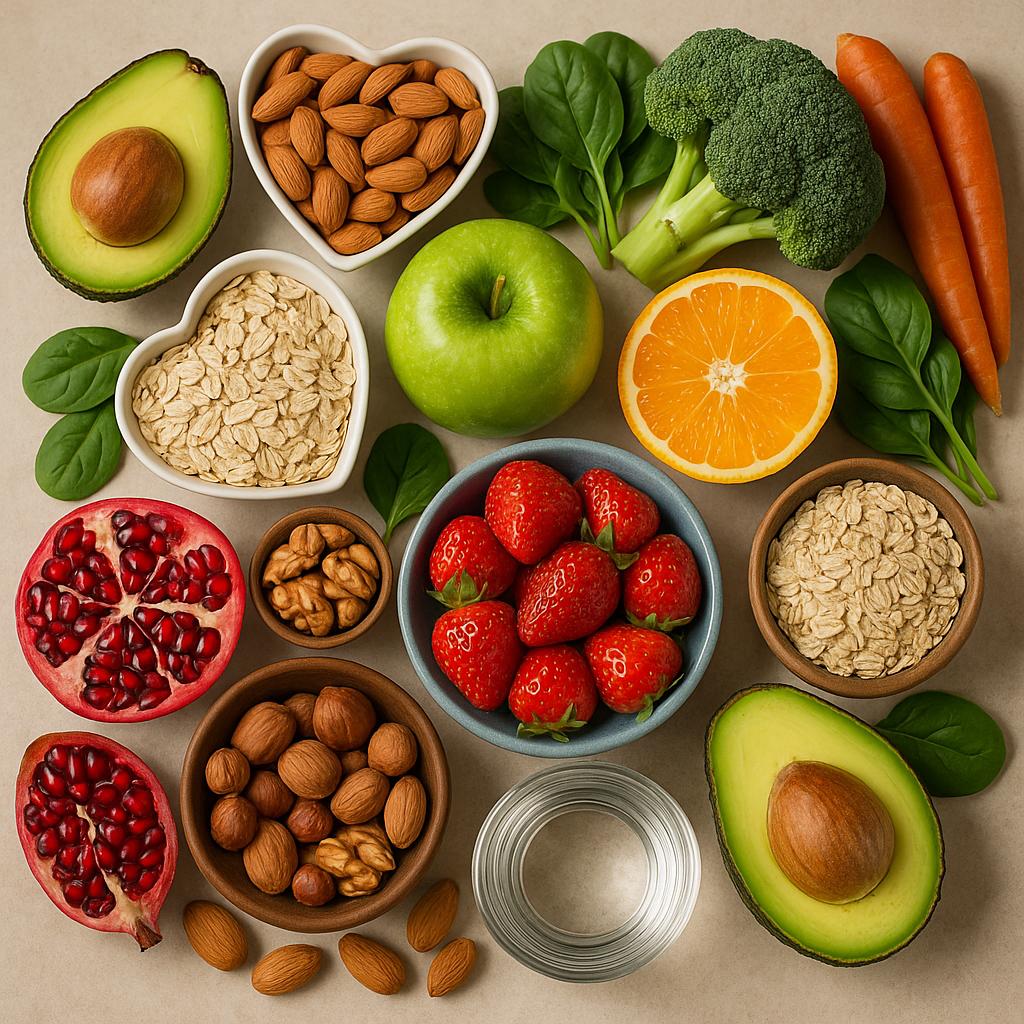
There is no single food that guarantees glowing skin. Instead, build meals around different food groups so that you receive a broad range of vitamins, minerals, antioxidants, protein, healthy fats, and other beneficial compounds.
If you’re following a healthy diet for glowing skin, variety is more useful than spending money on expensive foods marketed as “beauty foods.”
Fruits and Vegetables
Fruits and vegetables should form a major part of a skin-friendly eating pattern.
Different colors often represent different plant compounds and nutrients, so try to vary what you eat rather than choosing the same fruit or vegetable every day.
Examples include:
- Guava, amla and oranges: rich in vitamin C
- Papaya: provides carotenoids and vitamin C
- Berries: provide vitamin C and various plant compounds
- Tomatoes: provide lycopene
- Carrots: provide beta-carotene
- Spinach: provides carotenoids and other nutrients
- Bell peppers: provide vitamin C
- Broccoli: provides vitamin C and other plant compounds
You do not need exotic “superfoods.” Affordable seasonal produce can work just as well as part of an overall nutritious diet. You can also explore these superfoods that support overall health for more ideas.
Nuts and Seeds
Nuts and seeds are convenient sources of healthy fats, vitamin E, minerals, protein, and other nutrients.
Useful choices include:
- Almonds
- Walnuts
- Chia seeds
- Flaxseeds
- Sunflower seeds
- Pumpkin seeds
Try adding them to oatmeal, yogurt, salads, smoothies, or homemade snacks.
Because nuts and seeds are energy-dense, a small portion is generally enough. You do not need large quantities to benefit from their nutrients.
Protein-Rich Foods
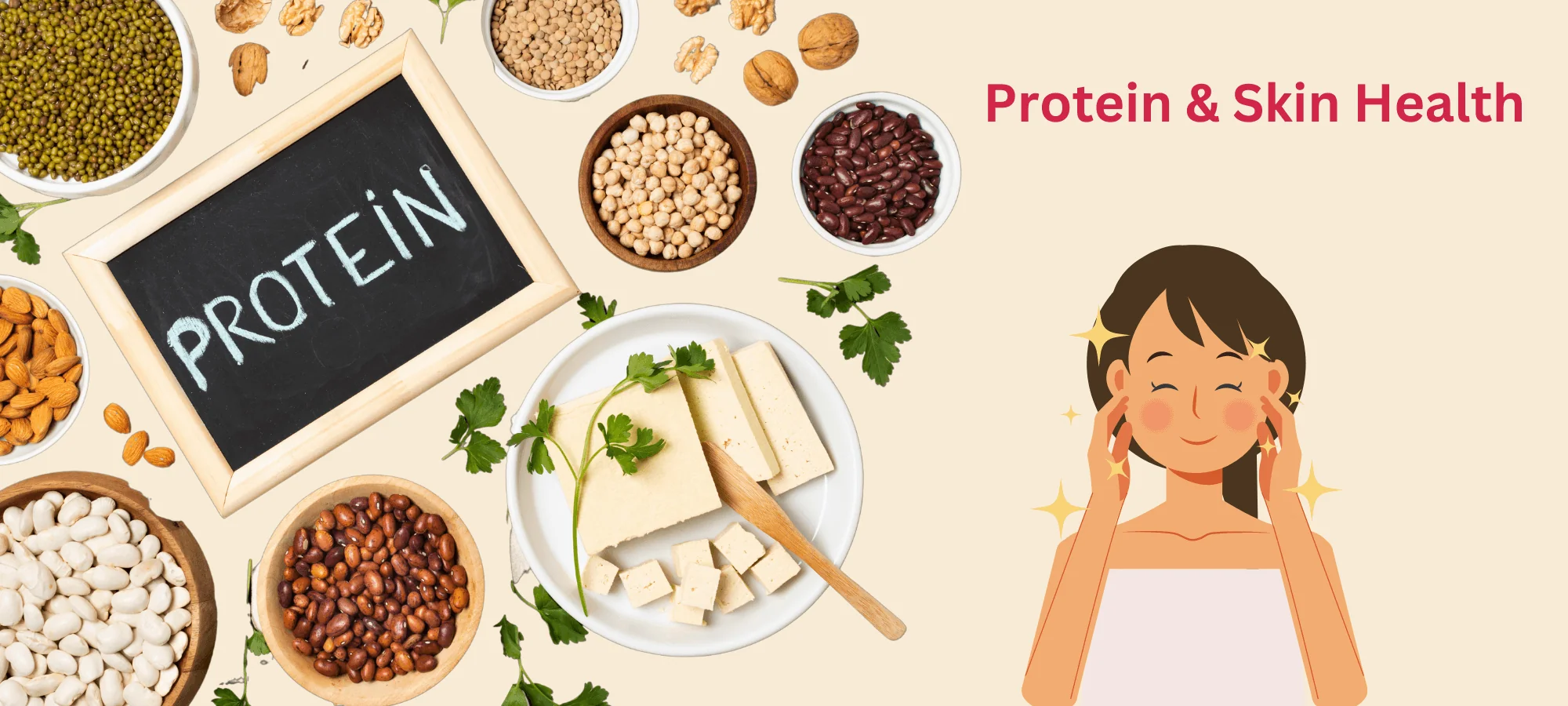
Protein should be present regularly in a balanced diet.
For non-vegetarians, options include eggs, fish, chicken, and other lean protein sources.
For vegetarians, useful options include:
- Dal
- Rajma
- Chickpeas
- Paneer
- Curd
- Tofu
- Soybeans
- Milk
- Nuts and seeds
Rather than building your entire diet around protein, combine protein-rich foods with vegetables, fruits, whole grains, and healthy fats.
Omega-3-Rich Foods
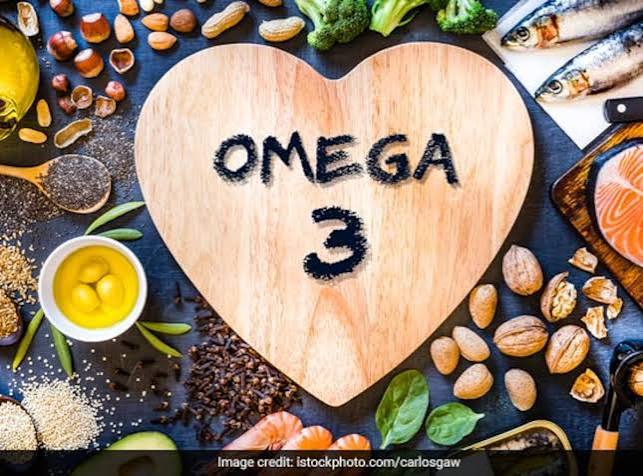
Omega-3-rich foods can fit easily into a healthy diet.
If you eat fish, salmon, sardines, mackerel, and similar fatty fish are useful sources of EPA and DHA.
Plant-based choices such as:
- Chia seeds
- Flaxseeds
- Walnuts
provide ALA.
Remember that plant-based ALA and marine EPA/DHA are not identical, so people following strictly plant-based diets may want to discuss omega-3 requirements with a qualified dietitian if they have specific concerns.
Whole Grains and Legumes
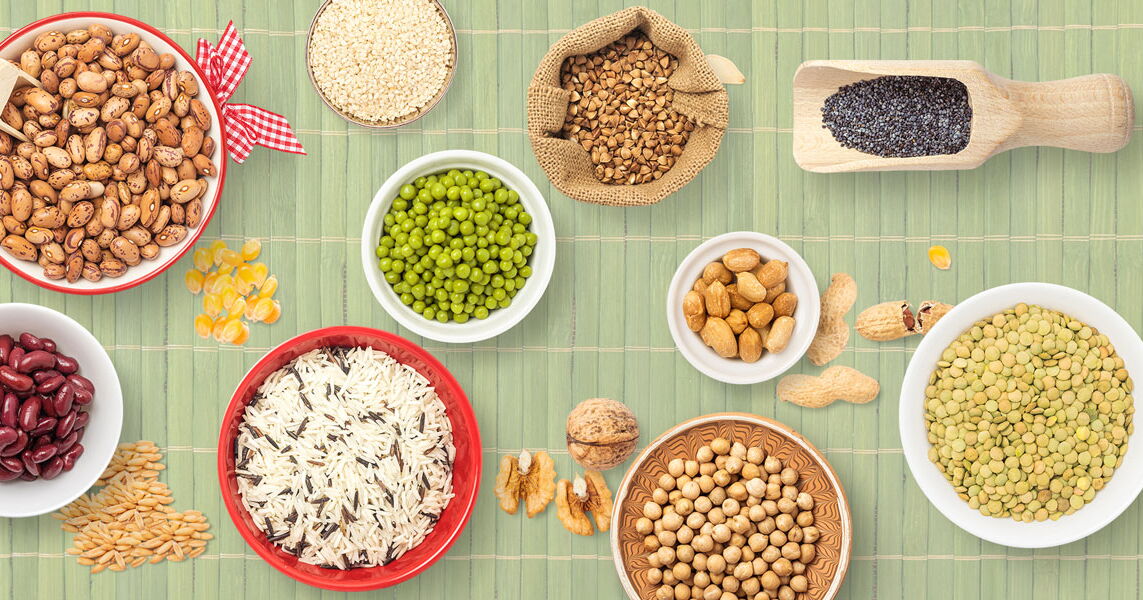
Whole grains and legumes provide carbohydrates, fiber, protein, vitamins, minerals, and other beneficial compounds.
Examples include:
- Oats
- Brown rice
- Whole-wheat roti
- Quinoa
- Barley
- Dal
- Chickpeas
- Rajma
- Black beans
They can also help replace highly refined carbohydrate foods in your meals.
This matters because some research has found an association between high-glycemic diets and acne, although more research is still needed.
How to Build a Healthy Diet for Glowing Skin
The easiest way to follow a healthy diet for glowing skin is not to create a complicated meal plan. Instead, make your regular meals more balanced.
A simple meal can contain:
Protein + vegetables/fruit + whole-food carbohydrate + healthy fat
For example:
Dal + brown rice + vegetables + curd
or
Eggs + whole-wheat roti + vegetables + fruit
This approach is much easier to maintain than relying on juices, detoxes, or expensive “beauty foods.”
What to Eat for Breakfast
A skin-friendly breakfast should provide enough nutrition to keep you satisfied rather than relying mainly on sugar.
Try combinations such as:
- Oats + fruit + nuts
- Vegetable poha + curd
- Eggs + whole-wheat toast + fruit
- Besan chilla + vegetables
- Idli + sambar
- Vegetable upma + a protein source
For example, adding fruit and nuts to oats gives you carbohydrates, fiber, healthy fats, vitamins, and minerals in one meal.
What to Eat for Lunch and Dinner
Build lunch and dinner around a balanced plate.
A practical combination could be:
Half the plate: vegetables and/or salad
A quarter: protein-rich food
A quarter: whole grains or another carbohydrate source
Indian meals can fit this structure easily.
Examples include:
- Dal + roti + mixed vegetables + salad
- Rajma + brown rice + vegetables
- Grilled fish + rice + vegetables
- Paneer/tofu + roti + vegetables
- Chickpea salad + whole-grain roti + curd
The goal is not to completely eliminate carbohydrates or fats. It is to choose nutritious sources and maintain an overall balanced pattern.
Indian meals can fit this structure easily. If you’re looking for more practical ideas, explore these healthy Indian foods that can fit into a balanced eating pattern.
Healthy Snacks
Snacking does not have to mean packaged “diet foods.”
Simple options include:
- A fruit with a small serving of nuts
- Roasted chickpeas
- Unsweetened yogurt with fruit
- Boiled eggs
- Sprouts
- Carrot or cucumber with hummus
- A small portion of seeds
If you’re new to the gym, these options can also help you avoid arriving at your workout extremely hungry and then overeating highly processed foods afterward.
Staying Hydrated
Keep water accessible during the day, especially when exercising or spending time in hot weather.
You can also get fluids from foods such as:
- Watermelon
- Orange
- Cucumber
- Soups
- Unsweetened beverages
But do not assume that drinking excessive amounts of water will automatically make your skin glow. Adequate hydration is important, but drinking more than you need is not a shortcut to better skin.
Foods That May Be Bad for Skin Health
You do not need a long list of foods that are completely “forbidden.” The better approach is to identify foods that are easy to overconsume and replace them with more nutritious options.
Low-glycemic diet-https://www.aad.org/public/diseases/acne/causes/diet
Highly Refined Carbohydrates and Sugary Foods
Foods that rapidly raise blood glucose may be relevant to acne for some people. Research suggests that a lower-glycemic dietary pattern may help reduce acne in some individuals, although results are not uniform.
Examples include:
- Sugary drinks
- Sweets
- Doughnuts and pastries
- Many highly refined snack foods
- Large amounts of refined grains
This does not mean you can never eat dessert. Overall dietary patterns matter more than one occasional food.
Highly Processed and Fried Foods
Frequent consumption of heavily processed foods can make it harder to maintain a balanced diet because they may provide substantial calories while contributing relatively little fiber and micronutrient variety.
Instead of eliminating every processed food, make minimally processed whole foods the foundation of most meals.
Dairy
The relationship between dairy and acne is more complicated than the common claim that “all dairy causes acne.”
Some studies have associated cow’s milk with acne, but yogurt and cheese have not shown the same association in all research.
If you suspect a particular food triggers your breakouts, track your diet and skin changes rather than eliminating entire food groups without a reason.
How to Support Clear, Healthy Skin Naturally
A good diet can support your skin, but it cannot guarantee perfectly clear skin.
If you want to support healthier skin naturally, focus on several habits together.
Eat a varied diet. Include fruits, vegetables, protein-rich foods, whole grains, and healthy fats.
Avoid extreme diets. Severe restriction can make it harder to obtain enough nutrients.
Get enough sleep. Poor sleep can affect your overall health and may make it harder to maintain healthy routines.
Stay physically active. Regular exercise supports overall health and can complement a nutritious diet.
Protect your skin from the sun. A healthy diet does not replace sunscreen and other forms of sun protection.
Use appropriate skincare. If you have acne, eczema, persistent dryness, or another skin condition, nutrition alone may not be enough.
Most importantly, give changes time. Your skin does not transform overnight because you ate a bowl of berries or drank extra water.
A healthy diet for glowing skin should therefore be considered a long-term eating pattern rather than a quick skin treatment.
Other Habits That Support Healthy Skin
Nutrition works best when combined with basic lifestyle habits.
Prioritize Sleep
A consistent sleep schedule supports overall health and gives you another reason to maintain good daily routines.
Manage Stress
Stress does not affect everyone’s skin in the same way, but it can aggravate some skin conditions. Finding a manageable way to reduce stress—such as exercise, walking, hobbies, breathing exercises, or relaxation—can support your overall well-being.
Protect Against UV Exposure
Sun protection is one of the most important parts of maintaining healthy-looking skin. Use appropriate sunscreen, seek shade when possible, and consider protective clothing and hats during prolonged sun exposure.
Avoid Smoking
Smoking exposes the body to numerous harmful chemicals and is associated with premature skin aging. A healthy diet cannot cancel out the effects of smoking.
Don’t Depend on Supplements Unnecessarily
More vitamins do not automatically mean better skin. Supplements can be useful when there is a confirmed deficiency or a specific medical reason, but high doses of some nutrients can be harmful.
A food-first approach is generally more sensible for most healthy people.
Regular physical activity supports overall health and can complement a nutritious diet. If you’re new to exercise, you can start with this beginner’s guide to different types of workouts.
Frequently Asked Questions About Diet and Skin Health
What is the best diet for glowing skin?
There is no single diet that guarantees glowing skin. A healthy diet for glowing skin should contain vegetables, fruits, whole grains, protein-rich foods, healthy fats, and adequate fluids.
The most useful approach is one you can maintain consistently rather than a restrictive diet built around a small number of foods.
Which fruit is best for glowing skin?
There is no single “best” fruit. Guava, amla, oranges, berries, papaya, kiwi, and other colorful fruits can contribute useful vitamins, antioxidants, water, and plant compounds.
Variety is more important than choosing one fruit.
Can food make your skin glow?
Food can support the nutrients and normal body processes involved in healthy skin, but it cannot guarantee a particular appearance.
Skin health also depends on genetics, hormones, age, sun exposure, sleep, skincare, and other lifestyle factors.
Does drinking more water make your skin glow?
Adequate hydration is important for normal body function, but there is limited evidence that drinking large amounts of extra water specifically produces glowing skin.
Drink regularly throughout the day and consider your thirst, activity level, climate, and individual needs.
Are sugary foods bad for your skin?
A high intake of rapidly absorbed, high-glycemic foods may be associated with acne in some people. However, the evidence is not strong enough to say that every sugary food causes acne in every person.
If you notice that certain foods consistently seem to affect your skin, consider discussing the pattern with a healthcare professional.
Should I stop eating dairy for clear skin?
Not necessarily. Some studies have associated cow’s milk with acne, but the evidence does not show that all dairy products have the same effect.
If you suspect dairy affects your skin, discuss the issue with a healthcare professional before making major dietary restrictions.
Can I get skin-supporting nutrients from a vegetarian diet?
Yes. A vegetarian diet can provide many nutrients relevant to skin health through foods such as lentils, chickpeas, beans, tofu, dairy, nuts, seeds, whole grains, fruits, and vegetables.
The key is variety and adequate overall nutrition.
How long does it take for diet to improve skin?
There is no fixed timeline. Skin changes depend on the individual, the specific concern, and other lifestyle factors.
Dietary improvements should be viewed as a long-term health habit rather than a quick treatment.
Do I need supplements for glowing skin?
Not necessarily. Most people should focus on getting nutrients from a varied diet.
Supplements are more appropriate when there is a nutritional deficiency, increased requirement, or another specific reason to use them.
Conclusion
A healthy diet for glowing skin is not about finding one magical food or following a restrictive “skin detox.” It is about consistently giving your body the nutrients it needs.
Build your meals around colorful fruits and vegetables, adequate protein, whole grains and legumes, healthy fats, and regular fluid intake. Pay particular attention to nutrients such as vitamin C, vitamin A, vitamin E, zinc, and omega-3 fatty acids.
At the same time, don’t expect diet alone to solve every skin concern. Sun protection, sleep, physical activity, stress management, appropriate skincare, and medical treatment when necessary all have a role.
The simplest strategy is also the most sustainable: eat a varied, balanced diet most days and make small improvements you can maintain for the long term.