
Losing weight can feel confusing when you’re just getting started. You may hear that you need to cut carbohydrates, skip dinner, do hours of cardio, or follow a strict diet. With so much conflicting advice, it can be difficult to know what actually matters.
The best approach is usually not the most extreme one. Sustainable weight loss generally involves creating an appropriate calorie deficit while building healthy eating, activity, sleep, and lifestyle habits that you can maintain over time.
If you’re looking for weight loss tips for beginners, you don’t need to change your entire lifestyle overnight. Start with a few realistic habits, learn what works for you, and build from there.
What Actually Affects Weight Loss?
Before getting into specific weight loss tips, it helps to understand the main factors that influence progress. The following weight loss tips build on these basics.
Calorie Balance
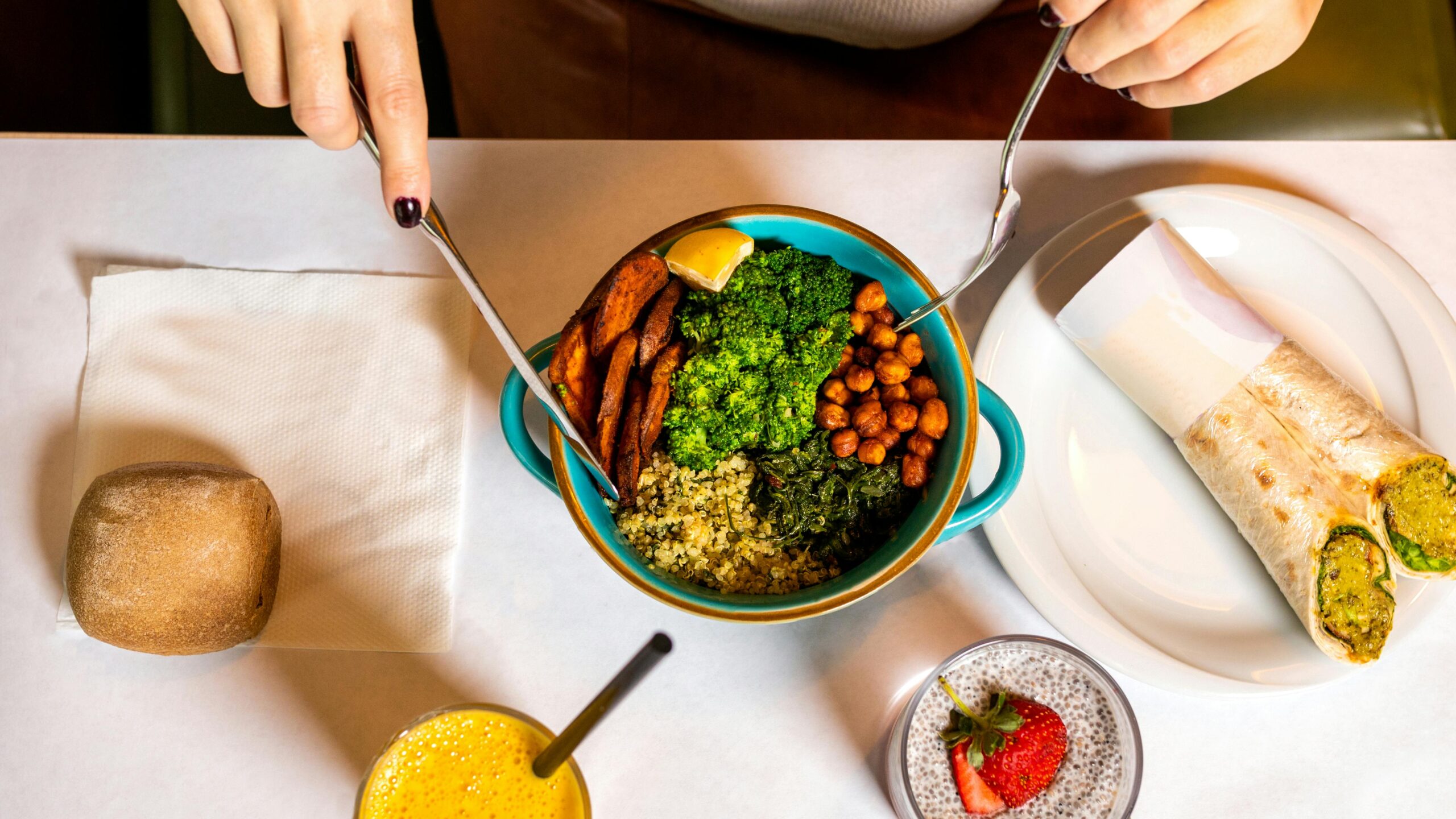
Your body uses energy for basic functions, movement, and exercise. Food and drinks provide energy in the form of calories. Consistently consuming less energy than your body uses creates a calorie deficit, which is the basic energy principle behind weight loss.
Food Choices and Portions
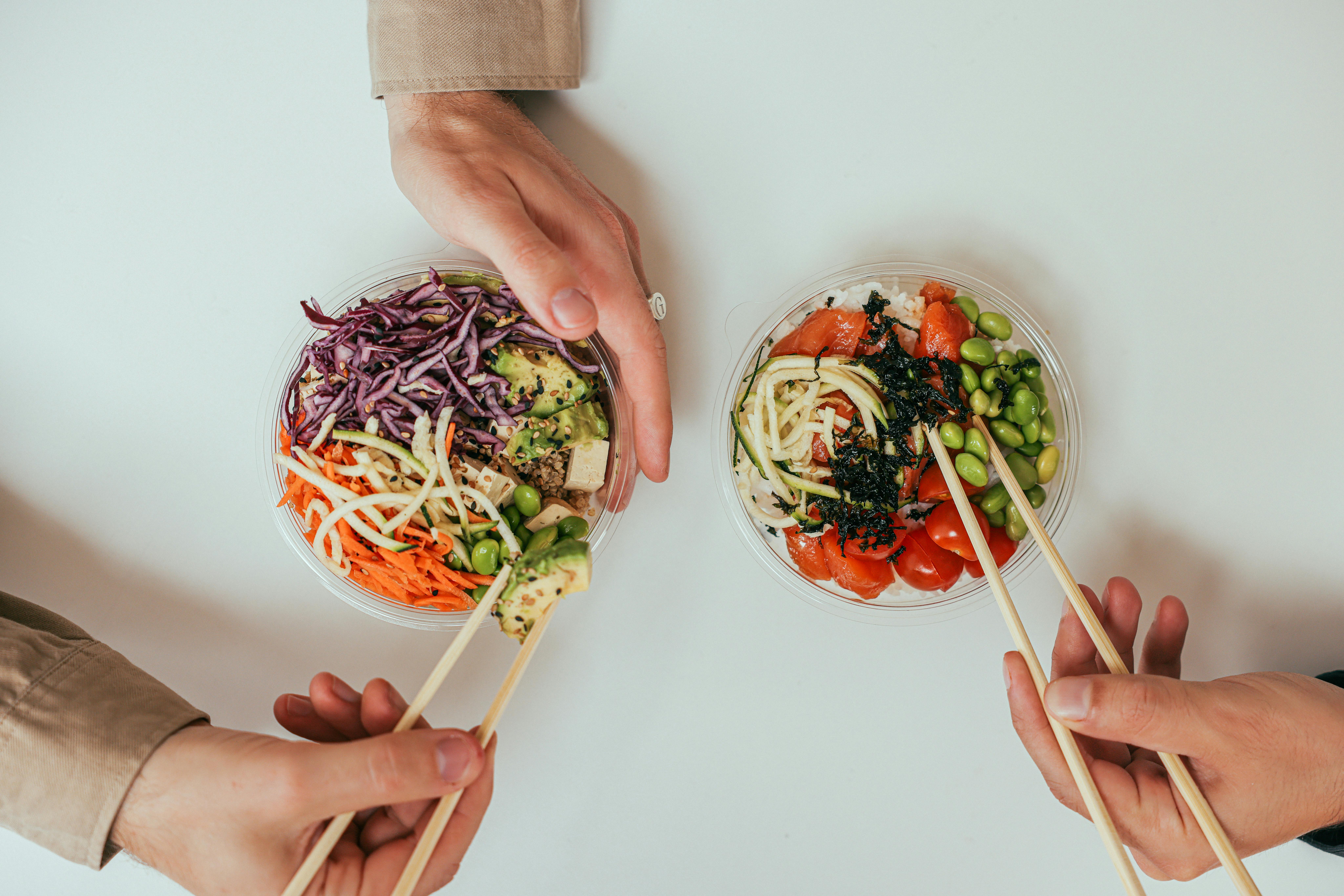

Nutrient-rich foods can help create filling meals, but portions still matter because all foods contain calories.
Physical Activity

Exercise can support weight loss, but physical activity also includes walking, cycling, household activities, sports, and other everyday movement. Many weight loss tips work just as well through everyday movement.
Sleep and Consistency

Quality sleep supports overall health. Most importantly, your plan needs to be realistic enough to follow consistently.
15 Practical Weight Loss Tips
1. Focus on Sustainable Changes, Not Crash Diets
One of the biggest mistakes beginners make is trying to lose weight as quickly as possible. Among the most useful weight loss tips, this is one of the first to remember.
Crash diets and extremely restrictive plans can be difficult to maintain and may make it harder to get a balanced range of nutrients. Instead, focus on changes you can realistically continue for months.
You could start by replacing some sugary drinks with water, adding vegetables to meals, paying attention to portions, walking regularly, and establishing a simple workout routine.
Small improvements that become habits are often more useful than an extreme plan.
2. Pay Attention to Portion Sizes
You don’t necessarily have to remove your favorite foods to lose weight. One of the most practical weight loss tips is simply becoming more aware of how much you’re eating.
Try serving a reasonable portion and eating slowly rather than automatically filling your plate. You can also:
- Use smaller plates or bowls if they help
- Serve snacks into a bowl instead of eating from the packet
- Check serving sizes on packaged foods
- Measure calorie-dense ingredients such as oils and spreads
- Eat without distractions when possible
Portion control can help reduce overall calorie intake without requiring you to eliminate entire food groups.
3. Choose More Nutrient-Dense Foods
When people search for weight loss foods, they sometimes expect a food that can magically burn fat. There isn’t one food that can do that.
Instead, choose foods that provide useful nutrients and help create satisfying meals. This is one of the most practical weight loss tips because it improves the overall quality of your diet without requiring perfection.
Good options include vegetables, fruits, beans, lentils, whole grains, nuts and seeds, eggs, yogurt, tofu, tempeh, fish, and lean meats, depending on your diet.
You don’t need a perfect diet. The goal is to make nutritious foods a regular part of your eating pattern.
If you’re looking for practical food choices, see our guide to healthy foods for fitness and fat loss. https://healhtyou.space/healthy-indian-foods-for-fitness-fat-loss/
4. Include Protein in Your Meals
Protein helps maintain muscle and can make meals more satisfying. Including it regularly is another useful weight loss tip when you’re combining weight loss with strength training.
Depending on your diet, protein sources include eggs, Greek yogurt, milk, paneer, lentils, beans, tofu, fish, chicken, and lean meats.
You don’t automatically need protein powder; many people can get protein from regular foods.
5. Eat More High-Fiber Foods
Fiber-rich foods can help make meals more filling while providing important nutrients. Adding more fiber is another useful weight loss tip for people who want to improve their meals without following a highly restrictive diet.
Try including vegetables, fruits, beans, lentils, oats, whole grains, and nuts and seeds.
A simple beginner-friendly change is to add vegetables or fruit to your meals rather than trying to completely remove foods you enjoy.
6. Choose Foods With Lower Energy Density
Energy density refers to how many calories a given amount of food provides. Understanding it can make several weight loss tips easier to put into practice.
Foods with lower energy density generally provide fewer calories for a larger amount of food. Many fruits and vegetables contain substantial water and fiber, which can help you create satisfying meals without consuming as many calories.
Calorie-dense foods aren’t automatically unhealthy. Nuts, seeds, oils, and avocado can be nutritious while still containing more calories per portion.
Focus on portions and satisfying meals.
7. Be Mindful of High-Calorie Drinks
Drinks can be easy to overlook because they may not feel as filling as solid food. Sugary soft drinks, sweetened coffee, energy drinks, milkshakes, and other calorie-containing beverages can add significant calories to your daily intake.
Try water instead of sugary drinks, unsweetened tea or coffee, sparkling water, or water flavored with lemon or fruit.
You don’t have to eliminate every drink you enjoy; awareness of liquid calories can help.
8. Reduce Mindless Snacking
Snacking isn’t automatically a problem. One of the more useful weight loss tips here is to pay attention to when and why you snack.
You might snack while watching television, working, studying, gaming, or scrolling through your phone and barely notice how much you’ve eaten.
Try serving snacks into a bowl, keeping tempting snacks out of immediate reach, eating without screens when possible, choosing filling options when genuinely hungry, and asking whether you are hungry or eating out of habit.
The goal isn’t to stop eating between meals. It’s to make your eating more intentional.
9. Stay Physically Active Throughout the Day
Your daily movement doesn’t begin and end at the gym. This is one of the weight loss tips that can fit naturally into an ordinary day.
If you’re new to exercise, start by increasing movement during your normal routine. These weight loss tips can be simple enough to fit into a busy day. For example:
- Take the stairs
- Walk short distances instead of driving when practical
- Take movement breaks during long periods of sitting
- Walk while talking on the phone
- Do household activities
- Take an evening walk
Regular physical activity supports health and contributes to energy expenditure.
10. Include Strength Training
If you’re new to the gym, don’t assume weight loss means spending all your time on a treadmill.
Strength training can help you build and maintain muscle while working toward your weight-management goals. It is one of the weight loss tips worth combining with regular movement.
Beginners can start with basic movements such as:
- Squats
- Lunges
- Push-ups
- Rows
- Shoulder presses
- Hip-hinge movements
- Core exercises
Start with manageable resistance and focus on proper technique. This is one of the weight loss tips that matters more than using advanced equipment. You don’t need an advanced bodybuilding program to benefit from strength training.
If you’re new to exercise, our beginner’s guide to all types of workouts can help you understand different workout options and choose an approach that fits your goals. https://healhtyou.space/a-beginners-guide-to-all-types-of-workouts/
11. Don’t Rely Only on Cardio
Cardio is useful, but it doesn’t need to be your entire workout plan. A balanced exercise routine is among the weight loss tips that can be easier to maintain long term.
Walking, cycling, swimming, jogging, and other aerobic activities can increase physical activity. Strength training adds another important part of fitness.
Combining movement, aerobic activity, and strength training can create a balanced approach.
12. Get Enough Quality Sleep
Your weight-loss plan shouldn’t focus only on food and exercise. Good weight loss tips should also account for sleep and recovery.
Try to maintain consistent sleep and wake times, give yourself enough time to sleep, reduce habits that interfere with sleep, and create a relaxing bedtime routine.
Sleep is one part of a healthy lifestyle, and taking care of it can make it easier to maintain your other healthy habits.
13. Stay Hydrated
Water doesn’t magically burn body fat, but staying hydrated is important for normal body function. It is a simple addition to many weight loss tips.
Keep water available throughout the day and drink according to your thirst, activity level, environment, and individual needs.
If you regularly consume sugary beverages, replacing some of them with water can also reduce your overall calorie intake.
14. Track Your Progress
Tracking can help you understand whether your habits are moving in the direction you want. It is one of the weight loss tips that can make your routine easier to evaluate.
You could track:
- Body weight
- Waist measurement
- Workouts
- Daily activity
- Food intake
- Energy levels
- How your clothes fit
You don’t need to track everything. One of the most practical weight loss tips is to choose only the measurements you can realistically maintain.
15. Focus on Consistency, Not Perfection
This may be one of the most important weight loss tips for beginners because consistency is what turns individual habits into a routine.
You’ll have days when you eat more than planned, skip a workout, travel, attend a celebration, or simply don’t feel motivated. That doesn’t mean your progress is ruined.
One meal doesn’t determine your results, and one missed workout doesn’t erase weeks of effort.
Instead of thinking, “I messed up, so I’ll start again next Monday,” return to your normal routine at your next meal or next opportunity.
Long-term progress comes from what you do repeatedly, not from being perfect every day. These weight loss tips are meant to be repeated, not perfected.
How Many Calories Do You Need for Weight Loss?
These weight loss tips work best when you understand how calorie intake and energy use fit together.
What Are Calories?
Calories are units of energy. Your body uses energy throughout the day for basic functions such as breathing, maintaining your heartbeat, digestion, movement, and exercise.
Your calorie needs aren’t identical to someone else’s. These weight loss tips are general guidance, not a personal calorie prescription. They can vary based on factors such as body size, age, sex, activity level, and other individual characteristics.
That’s why copying someone else’s calorie target isn’t necessarily appropriate for you.
What Is a Calorie Deficit?
A calorie deficit means consuming less energy than your body uses over time.
When your body needs more energy than it receives from food and drinks, it can use stored energy. This is the basic energy principle behind weight loss.
However, a calorie deficit does not mean starving yourself. Very aggressive restriction can make it difficult to get enough nutrients and may make your eating plan difficult to maintain.
Do You Need to Count Calories?
Not necessarily.
Calorie tracking can be useful for some people because it provides a clearer picture of their food intake. But you can also focus on portion sizes, balanced meals, nutrient-rich foods, high-calorie drinks, mindful eating, and regular physical activity.
These habits can help manage calorie intake without recording every bite.
If tracking causes excessive stress or unhealthy restriction, it may not be the right approach.
How to Track Your Weight Loss Progress
These weight loss tips can help you judge progress without relying only on the scale.
The scale is only one way to measure progress. Body weight naturally fluctuates because of factors such as fluid balance, food intake, digestion, and normal daily changes.
If you use a scale, focus on the overall trend rather than one day’s number.
You can also track waist measurement, how your clothes fit, fitness, strength, energy, and consistency.
Common Weight Loss Mistakes to Avoid
Trying to Lose Weight Too Quickly
Rapid-weight-loss promises can be tempting, but extreme approaches are often difficult to maintain. Sustainable weight loss tips are more useful than short-term promises. Focus on sustainable habits rather than dramatic short-term changes.
Eating Too Little
Eating as little as possible isn’t a good weight-loss strategy. Your body still needs energy and nutrients, and extreme restriction can increase hunger and make your plan harder to maintain.
Completely Eliminating Carbohydrates
You don’t have to eliminate carbohydrates to lose weight. Foods such as whole grains, potatoes, rice, oats, fruits, and legumes can fit into a balanced eating pattern.
Instead of treating carbohydrates as automatically “bad,” pay attention to portions and overall diet quality.
Relying Only on Exercise
Exercise supports health and energy expenditure, but food intake, daily movement, sleep, and long-term habits matter too.
Depending on Weight-Loss Supplements
Be cautious with products that promise effortless or extremely rapid fat loss.
Supplements aren’t a replacement for sustainable eating habits and physical activity, and some products may carry risks or interact with medications.
If you’re considering a weight-loss supplement, speak with a healthcare professional first.
The FDA also warns consumers about some weight-loss products that may contain hidden or potentially dangerous ingredients. FDA: Weight Loss Product Notifications
Giving Up After One Bad Meal
One high-calorie meal doesn’t erase your progress. Enjoy the occasion, then return to your normal routine.
When Should You Expect to See Results?
There isn’t one timeline that applies to everyone. Starting weight, food intake, activity, sleep, medications, and health conditions can all influence change.
Instead of expecting dramatic changes within a few days, look for gradual changes over time. Progress may show up as different-fitting clothes, easier walking, improved workouts, better energy, or more consistent habits.
The goal should be sustainable progress rather than a specific short-term result.
Health guidance generally favors gradual weight loss rather than trying to achieve dramatic changes in a short period. CDC: National Diabetes Prevention Program
Frequently Asked Questions About Weight Loss Tips
What is the most important weight loss tip?
One of the most important weight loss tips is to build habits you can maintain. Focus on balanced food choices, reasonable portions, regular physical activity, adequate sleep, and consistency rather than extreme short-term methods. These are core weight loss tips for a sustainable routine.
What is the best way to lose weight?
The best approach is a sustainable routine that creates an appropriate calorie deficit while supporting good nutrition and regular physical activity. This is the foundation behind many effective weight loss tips, but the right routine will vary from person to person.
If you’re wondering about the best way to lose weight, remember that there isn’t one diet or workout that works for everyone. The most useful approach is one you can realistically maintain.
Is weight loss for beginners possible without going to the gym?
Yes. Weight loss tips for beginners can work without a gym membership, and you don’t need one to become more active.
For weight loss for beginners, a simple plan can start with walking, cycling, home workouts, sports, and other physical activities that contribute to your overall activity level. Bodyweight exercises can also help you build strength at home.
Do I have to count calories to lose weight?
No. Calorie tracking can help some people understand their food intake, but it isn’t essential for everyone.
Choosing a variety of weight loss foods and practicing portion control, balanced meals, and regular physical activity can also help you manage your overall calorie intake.
Is exercise enough to lose weight?
Exercise can help, but it shouldn’t be viewed as the only factor. Weight management also involves food intake, daily movement, sleep, and long-term habits.
How can I stay motivated to lose weight?
Don’t depend entirely on motivation. Build routines that are easy enough to repeat.
Set small action goals, such as walking regularly, preparing balanced meals, or completing a few weekly workouts. Tracking progress and getting support from people you trust can also help.
Conclusion
The best weight loss tips aren’t the ones promising the fastest transformation. They are practical habits you can continue when life gets busy.
Start with the basics: manage portions, choose nutritious foods, include protein and fiber, move more, add strength training, sleep well, stay hydrated, and track your progress.
Choose a few habits you can realistically follow and improve gradually.
If you’re new to fitness, remember that consistency matters more than having a perfect diet or workout plan. A sustainable routine you can follow for months is more valuable than an extreme plan you can only follow for a few days.