
Nutrition is more than simply eating enough food. Your body needs different nutrients to produce energy, build and repair tissues, support the immune system, maintain bones and muscles, and keep essential body processes working properly.
When people search for types of nutrition, they are often trying to understand the different nutrients their body needs and what each one does. Learning about these nutrient groups can make it easier to understand food choices and build a balanced diet.
The nutrients found in food are generally divided into macronutrients and micronutrients. Macronutrients include carbohydrates, proteins, and fats, while micronutrients include vitamins and minerals. Water is also essential for normal body function.
You don’t need to become a nutrition expert to eat well. Understanding these basics can help you make better food choices without following complicated diet rules.
What Is Nutrition?

Nutrition is the process through which your body obtains and uses nutrients from food and drinks.
Every day, your body needs energy and nutrients for processes such as breathing, movement, digestion, tissue repair, immune function, and maintaining normal body temperature.
Food provides more than calories. It can provide:
- Carbohydrates
- Protein
- Fat
- Vitamins
- Minerals
- Fiber
- Water
- Other naturally occurring compounds
For example, oats can provide carbohydrates and fiber, while lentils can provide protein, carbohydrates, fiber, and minerals. Nuts can provide fats, protein, fiber, and several micronutrients.
This is why nutrition is about more than simply counting calories.
Nutritional needs can also differ depending on factors such as age, body size, activity level, pregnancy, health conditions, and dietary pattern.
Understanding the types of nutrition can therefore help you look at your overall diet rather than focusing on one particular food.
How Many Types of Nutrients Are There?
The nutrients your body needs are commonly divided into two major groups:
- Macronutrients
- Micronutrients
Macronutrients are needed in relatively large amounts and include:
- Carbohydrates
- Proteins
- Fats
Micronutrients are needed in much smaller amounts and include:
- Vitamins
- Minerals
Water is also essential for life, although it does not provide calories.
The difference is mainly about the amount your body requires, not how important the nutrients are. A nutrient needed in a small quantity can still be essential.
Macronutrients
Macronutrients are nutrients your body needs in larger quantities. They provide energy and also have important structural and functional roles.
The three main macronutrients are carbohydrates, proteins, and fats.
Micronutrients
Micronutrients are vitamins and minerals required in smaller amounts.
They do not provide calories, but they are involved in processes such as metabolism, immune function, bone health, blood formation, and normal nervous-system function.
What Are Macronutrients?
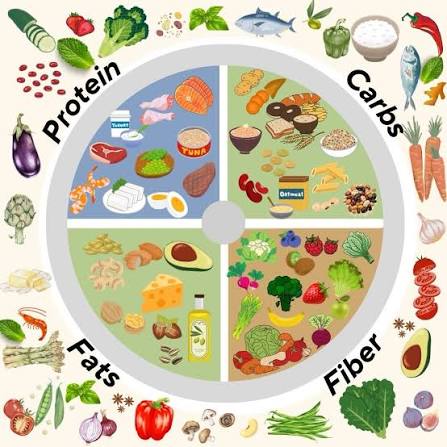
Macronutrients make up a major part of the food you eat and are required in larger amounts than micronutrients.
The three main macronutrients—carbohydrates, proteins, and fats—each perform different jobs.
Rather than thinking of one macronutrient as automatically “good” or “bad,” it is more useful to understand its role and choose appropriate sources and portions.
Carbohydrates
Carbohydrates are one of the body’s important sources of energy.
When you eat carbohydrates, your digestive system breaks many of them down into glucose, which cells can use as fuel.
Carbohydrates are found in foods such as:
- Rice
- Oats
- Wheat and whole grains
- Potatoes
- Fruits
- Vegetables
- Beans
- Lentils
- Milk and yogurt
Carbohydrate-containing foods can differ considerably in nutritional value. Whole grains, fruits, vegetables, and legumes can provide carbohydrates along with fiber, vitamins, minerals, and other beneficial compounds.
Fiber is also a type of carbohydrate that your body does not fully digest. It can support digestive health and contribute to feelings of fullness.
Therefore, you don’t necessarily need to eliminate carbohydrates to improve your diet. Consider the quality of the source, portion size, and how it fits into your overall eating pattern.
Proteins
Protein provides amino acids that your body uses to build and repair tissues.
It is also involved in producing enzymes, hormones, antibodies, and other important substances.
Common protein sources include:
- Eggs
- Milk and yogurt
- Paneer and cottage cheese
- Lentils
- Beans and chickpeas
- Soybeans, tofu, and tempeh
- Fish
- Chicken and lean meats
- Nuts and seeds
Protein is particularly important for maintaining muscle, making adequate intake relevant for people who exercise regularly and for older adults.
You don’t automatically need protein powder simply because you exercise. Many people can obtain adequate protein from ordinary foods.
Individual protein requirements vary according to factors such as body size, age, activity level, and health status.
Fats
Dietary fat is another essential macronutrient.
Fat provides concentrated energy and helps your body absorb the fat-soluble vitamins A, D, E, and K. It also contributes to cell structure and other important processes.
Sources of dietary fat include:
- Nuts
- Seeds
- Avocado
- Vegetable oils
- Eggs
- Dairy products
- Fatty fish
- Nut butters
The type of fat matters. Foods rich in unsaturated fats, such as nuts, seeds, fish, and many plant oils, can be part of a healthy eating pattern.
Fat is also more calorie-dense than carbohydrates and protein, so portion sizes can matter, particularly if you’re managing your overall calorie intake.
The goal isn’t to eliminate fat. Your body needs dietary fat, and the quality of your sources matters.
What Are Micronutrients?
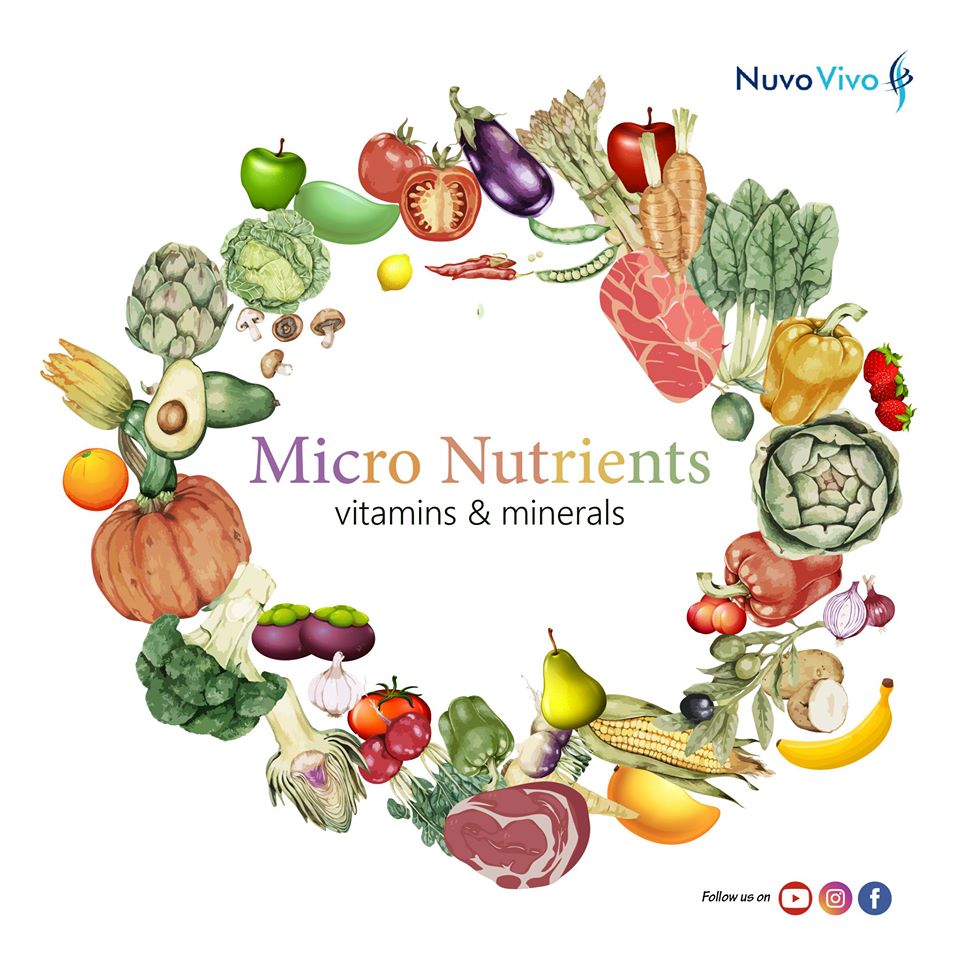
Micronutrients include vitamins and minerals.
They are required in relatively small amounts, but that does not make them less important. Micronutrients support numerous processes throughout the body.
For example, certain vitamins and minerals contribute to normal immune function, blood formation, bone health, metabolism, and nervous-system function.
Because different foods contain different micronutrients, eating a varied diet is important.
Vitamins
Vitamins are organic compounds that your body needs for various biological processes.
They are commonly divided into two groups.
Fat-soluble vitamins:
- Vitamin A
- Vitamin D
- Vitamin E
- Vitamin K
Water-soluble vitamins:
- Vitamin C
- B vitamins
Each vitamin has different functions. For example, vitamin A contributes to normal vision and immune function, while vitamin D is involved in calcium regulation and bone health. Vitamin C contributes to normal collagen formation and immune function.
B vitamins are involved in several processes related to energy metabolism and normal cell function.
A varied diet containing fruits, vegetables, whole grains, legumes, dairy or suitable alternatives, nuts, and seeds can help provide different vitamins.
More is not necessarily better. Taking high doses of certain vitamin supplements without a specific need can be harmful.
Minerals
Minerals are inorganic nutrients required for various functions in the body.
Important minerals include:
- Calcium
- Iron
- Magnesium
- Potassium
- Zinc
- Iodine
- Selenium
Calcium contributes to maintaining healthy bones and teeth and is also involved in muscle function.
Iron is needed to produce hemoglobin, which helps transport oxygen through the blood.
Potassium contributes to normal muscle and nervous-system function, while iodine is needed to produce thyroid hormones.
Mineral requirements vary between individuals. A varied diet is generally a good starting point for obtaining essential minerals.
If you suspect a deficiency, speak with a healthcare professional rather than taking large doses of supplements without knowing whether you need them.
For more detailed information about individual vitamins and minerals, the NIH Office of Dietary Supplements provides evidence-based fact sheets for consumers and health professionals.
What Are the Functions of Nutrients?
The different types of nutrition matter because nutrients perform different jobs throughout your body.
Providing energy
Carbohydrates and fats are important energy sources, while protein can also be used for energy when necessary.
Your body requires energy not only for exercise but also for basic processes such as breathing, circulation, digestion, and maintaining body temperature.
Building and repairing tissues
Protein provides amino acids that your body uses to build and repair tissues. Other nutrients also contribute to maintaining bones, skin, muscles, blood, and other structures.
Supporting metabolism
Vitamins and minerals help support chemical reactions involved in metabolism. Your body relies on these reactions to convert food into usable energy and maintain normal cellular functions.
Supporting the immune system
Adequate nutrition supports normal immune function. Several vitamins, minerals, proteins, and other nutrients contribute to the body’s normal immune defenses.
Supporting bones and teeth
Calcium, vitamin D, phosphorus, magnesium, and other nutrients contribute to maintaining healthy bones and teeth.
Maintaining fluid balance
Water and electrolytes such as sodium and potassium help maintain fluid balance and normal cellular function.
The important point is that nutrients work together. Getting plenty of one nutrient does not compensate for not getting enough of another.
Sources of Essential Nutrients
You don’t need to memorize every nutrient and its food source to eat a nutritious diet. Instead, focus on eating a variety of foods from different food groups.
Fruits and vegetables: These provide vitamins, minerals, fiber, water, and other beneficial plant compounds. Try including different varieties throughout the week.
Whole grains and cereals: Foods such as oats, brown rice, whole-wheat products, and millet provide carbohydrates, fiber, vitamins, and minerals.
Legumes: Beans, lentils, chickpeas, and peas can provide protein, carbohydrates, fiber, and minerals.
Dairy and alternatives: Milk, yogurt, paneer, and suitable fortified alternatives can provide protein, calcium, and other nutrients.
Nuts and seeds: These provide fats, protein, fiber, and minerals. Because they are relatively calorie-dense, reasonable portions can be useful.
Animal-based protein foods: Eggs, fish, poultry, and meat provide protein and several vitamins and minerals. People following plant-based diets can use lentils, beans, tofu, tempeh, nuts, seeds, and fortified foods.
Water: Water is essential for normal body processes even though it doesn’t provide calories.
The goal is not to find one food that contains everything. It is to create variety across your overall diet.
Indian foods such as lentils, beans, vegetables, fruits, whole grains, nuts, and dairy can provide a variety of essential nutrients. If you’re looking for practical examples of nutritious Indian foods, see our guide to healthy Indian foods for fitness and fat loss.
Why Is Nutrition Essential for Your Body?
Nutrition is essential because your body is constantly using energy and nutrients.
Even while you’re sleeping, your body is carrying out processes that require energy. Your heart continues beating, your lungs continue working, your cells maintain themselves, and your body continues regulating temperature and other functions.
During the day, additional energy and nutrients are required for movement, exercise, digestion, work, and other activities.
Nutrition also provides the raw materials your body needs to maintain and repair tissues.
This makes adequate nutrition important throughout life. Children and teenagers need nutrients to support growth and development, while adults need them to maintain normal body functions and physical activity.
Nutrition also matters for physical performance. People who exercise regularly may need to pay particular attention to adequate energy, protein, fluids, and overall dietary quality.
Poor nutrition isn’t necessarily the same as eating too little. Someone can consume plenty of calories while still having a diet that lacks certain essential nutrients.
This is one reason understanding the types of nutrition is useful: it helps you think about nutritional quality rather than calories alone.
Nutrition also plays an important role in supporting normal immune function. You can learn more about foods commonly associated with immune-supporting nutrition in our guide to 10 superfoods that boost your immunity.
The Importance of Balanced Nutrition
Balanced nutrition means providing your body with a variety of foods and nutrients in appropriate amounts.
It doesn’t mean every meal needs to be perfect.
A balanced eating pattern can include:
- Vegetables
- Fruits
- Whole grains
- Legumes
- Protein-rich foods
- Sources of unsaturated fats
- Dairy or suitable alternatives
- Adequate fluids
Portion sizes also matter. Nutritious foods such as nuts, seeds, oils, and avocado can still provide substantial calories when eaten in large quantities.
At the same time, unnecessarily eliminating entire food groups can make it harder to obtain certain nutrients.
You don’t have to eliminate carbohydrates because you’ve heard they’re “bad.” You don’t need to avoid all dietary fat. And you don’t automatically need supplements simply because a nutrient is important.
Instead, focus on variety, balance, and consistency.
Nutritional needs also differ between people. Age, activity level, pregnancy, health conditions, allergies, medications, and dietary preferences can all influence what is appropriate for you.
The World Health Organization describes a healthy diet around four core principles: adequacy, balance, moderation, and diversity.
How Can Nutrition Support Mental Well-Being?
Nutrition is one part of overall mental and physical health.
Your brain requires energy and nutrients to function normally. A varied diet provides carbohydrates, fats, protein, vitamins, minerals, and fluids that support normal body and brain processes.
Regular meals can also help you maintain a consistent eating routine.
However, nutrition should not be presented as a treatment or cure for mental health conditions.
Mental well-being is influenced by many factors, including:
- Sleep
- Physical activity
- Stress
- Social relationships
- Environment
- Medical conditions
- Lifestyle habits
Therefore, nutrition works best as part of a broader healthy lifestyle.
If you experience persistent changes in mood, anxiety, depression, or other concerning symptoms, speak with an appropriate healthcare professional rather than trying to manage the problem through diet alone.
Signs You May Not Be Getting Enough Essential Nutrients
Nutrient deficiencies can affect the body in different ways depending on which nutrient is lacking and how severe the deficiency is.
Possible signs may include:
- Persistent tiredness
- Weakness
- Pale skin
- Changes in hair, skin, or nails
- Poor wound healing
- Frequent illness
- Muscle weakness or cramps
- Difficulty concentrating
- Dizziness
However, these symptoms are not proof of a nutrient deficiency.
Tiredness, for example, can have many possible causes, including inadequate sleep, stress, illness, insufficient calorie intake, anemia, and other health problems.
This is why it’s not a good idea to diagnose yourself based on symptoms and immediately start taking high-dose supplements.
If symptoms are persistent or concerning, speak with a qualified healthcare professional. They can consider your diet, symptoms, medical history, and, when appropriate, recommend tests.
Frequently Asked Questions About Types of Nutrition
What are the main types of nutrition?
When discussing human nutrition, nutrients are generally divided into macronutrients and micronutrients. Macronutrients include carbohydrates, proteins, and fats. Micronutrients include vitamins and minerals. Water is also essential for normal body function.
What is the difference between macronutrients and micronutrients?
Macronutrients are needed in larger amounts and include carbohydrates, proteins, and fats. Micronutrients are needed in smaller amounts and include vitamins and minerals. Both groups are essential for normal health.
Are carbohydrates necessary for the body?
Yes. Carbohydrates are an important source of energy and can be part of a healthy diet. Foods such as fruits, vegetables, whole grains, potatoes, beans, and lentils can provide carbohydrates along with other nutrients.
Why is protein important?
Protein provides amino acids that the body uses to build and repair tissues. It also contributes to enzymes, hormones, antibodies, and other important structures and processes.
Are fats part of a healthy diet?
Yes. Dietary fat is essential for several body functions and helps the body absorb vitamins A, D, E, and K. The type and amount of fat matter, so foods rich in unsaturated fats can be included as part of a balanced eating pattern.
Are vitamins and minerals the same?
No. Both are micronutrients, but vitamins are organic compounds while minerals are inorganic elements. They perform different functions and are needed in different amounts.
Is water considered a nutrient?
Yes. Water is essential for life and supports processes such as temperature regulation, digestion, nutrient transport, and waste removal.
Can I get enough nutrients from food?
Many people can meet their nutritional needs through a varied and balanced diet.
However, some individuals may have increased requirements, dietary restrictions, absorption problems, or medical conditions that make supplementation appropriate.
Supplements should ideally be used for a specific reason rather than assuming that more nutrients are always better.
What happens if you don’t get enough essential nutrients?
Insufficient intake of essential nutrients can contribute to nutrient deficiencies and affect normal body functions. The effects depend on the specific nutrient, severity of the deficiency, and how long it continues.
Does everyone have the same nutritional needs?
No. Nutritional needs can vary depending on age, body size, physical activity, pregnancy, health conditions, medications, dietary restrictions, and other individual factors.
This is why copying another person’s diet isn’t necessarily appropriate for you.
Conclusion
Understanding the types of nutrition becomes much easier when you stop looking at nutrition as a list of complicated rules.
The major nutrient groups are macronutrients and micronutrients. Carbohydrates, proteins, and fats are macronutrients that provide energy and perform important functions in the body. Vitamins and minerals are micronutrients that support processes such as metabolism, immunity, bone health, and normal cellular function.
Water is also essential for maintaining normal body processes.
The practical lesson is simple: focus on variety and balance.
Include different vegetables and fruits, whole grains, legumes, protein-rich foods, healthy sources of fat, and adequate fluids. Pay attention to portions, but don’t feel that you need to make every meal perfect.
You also don’t need to follow extreme diets or eliminate entire nutrient groups without a good reason.
Your nutritional needs are individual, and what works for one person may not work for another. If you have a medical condition, take medication, are pregnant, follow a highly restrictive diet, or are concerned about a possible nutrient deficiency, speak with a qualified healthcare professional.
Good nutrition isn’t about finding one perfect food or following one perfect diet.
It’s about consistently giving your body the variety of nutrients it needs to function well.